Politics
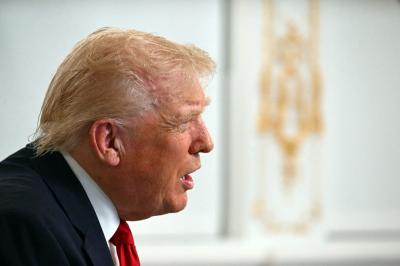
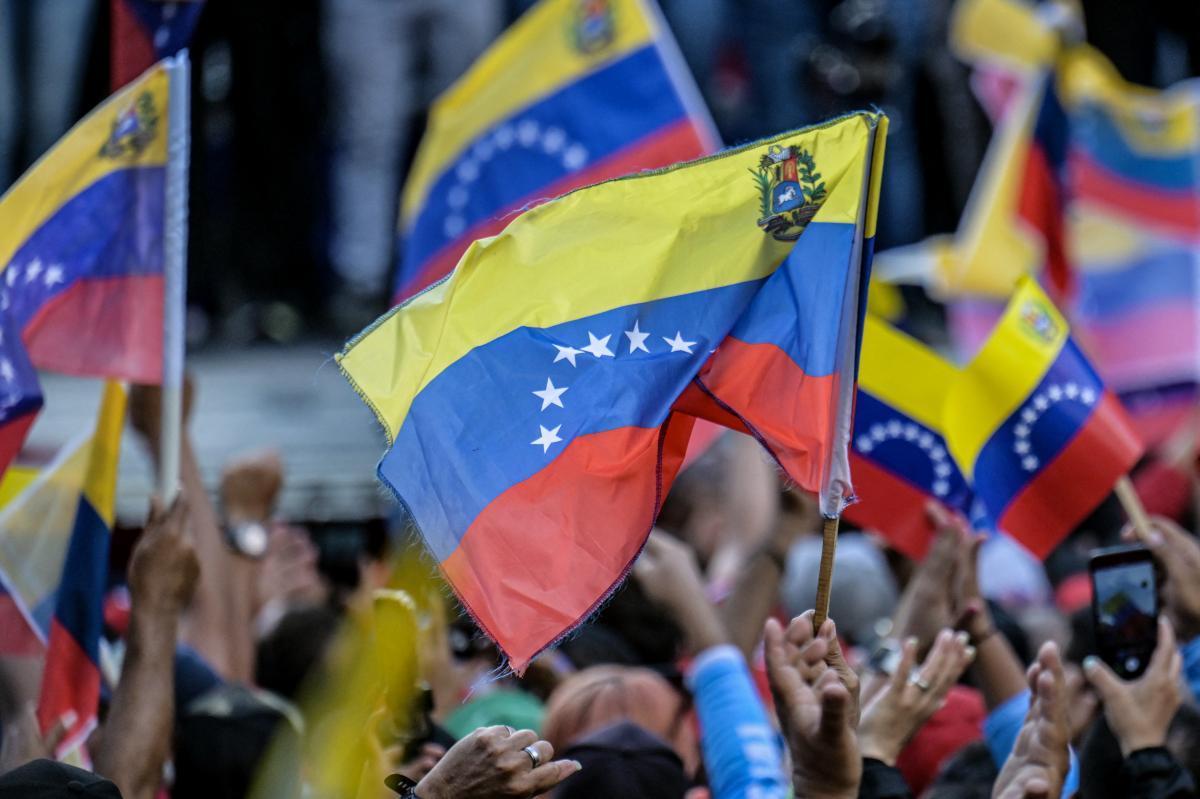




The US-Venezuelan relations are going from bad to worse. President Donald Trump has ordered military Venezuela is a new war of attrition front open in the Caribbean preparations in the Carridean and the Pacific following his authorization to the CIA to conduct covert operations on Venezelan soil; leaks are coming from the White House and the Department of War about potentially using Tomahawks cruise missiles against it; and the Senate has failed to block further strikes against Venezuela, which sponsor Adam Schiff (D- Cal) described them as "plainly unconstitutional." These US-Venezuela relations have been deeply fraught and contentious, especially since the turn of the century, characterized by political confrontations, economic sanctions, and ideological clashes. The deterioration of these relations is rooted in Venezuela's shift towards socialism under Hugo Chávez and Nicolás Maduro, which Washington perceives as destabilizing, compounded by Venezuelan accusations of U.S. interventions and support for opposition forces.
Historically, Washington sought strong trade ties with Venezuela, particularly in oil, but this alliance soured as Venezuela adopted a confrontational stance emphasizing sovereignty over compliance with U.S. interests.
Why Did U.S.-Venezuela Relations Sour?
Relations deteriorated significantly after Chávez's rise to power in 1999, with the United States criticizing Venezuela's increasing authoritarian tendencies, manipulations of democratic institutions, and human rights abuses. The strain intensified during the presidency of Nicolás Maduro, especially amid the Venezuelan presidential crisis of 2019, when the Trump Administration recognized opposition leader Juan Guaidó as interim. Additionally, Venezuela's alleged involvement in drug trafficking and illegal mining, was viewed as criminal enterprises, further worsening relations.
Trump’s Threats of War on Drugs and Venezuela
President Trump explicitly linked the fight against drug traffickers with potential military action in Venezuela. This year, Trump publicly threatened to extend strikes against boats suspected of carrying drugs, in his efforts to dismantle cartel operations on Venezuelan soil. These threats stem from a combination of concerns over drug trafficking—particularly cocaine—and the strategic objective of pressuring Maduro’s regime, which Washington accuses of harboring criminal enterprises that threaten regional stability.
Trump allies endorse a potential military action, saying Maduro "is sheltering a Hezbollah-drug cartel nexus that could serve as a hub for future attacks on American interests.
The Implications of Military Action
Potential U.S. military intervention in Venezuela poses profound risks and uncertain outcomes. Historically, such interventions often lead to prolonged instability, regional backlash, and unforeseen humanitarian crises. An invasion (unlikely scenario) or sustained military strikes could galvanize anti-American sentiment across Latin America, deepen Maduro’s legitimacy among core supporters, and potentially escalate into wider regional conflicts. Moreover, civilian casualties and economic disruption could turn public opinion against U.S. policies, sparking diplomatic isolation.
Outcomes and Future Relations
Military intervention could entrench authoritarianism, provoke insurgency, and turn Venezuela into a pariah state, similar to outcomes in Iraq or Libya. Conversely, continued economic sanctions and covert operations might further destabilize the regime without leading to regime change, potentially worsening humanitarian conditions and regional migration flows.
Looking ahead, U.S.-Venezuela relations will likely oscillate between covert influence aiming to weaken Maduro’s grip and diplomatic efforts to restore some form of formal engagement, contingent on Venezuela’s internal political evolution.
In essence, the current trajectory suggests an ongoing contest rather than definitive resolution, where U.S. strategies will be shaped by regional dynamics, domestic politics, and the evolving U.S. approach to countering narcotics, authoritarianism, and Chinese or Russian influence in Latin America.
Military Strikes Legality
The legality of U.S. strikes inside Venezuelan territory, especially those targeting drug-trafficking vessels or groups based in or near Venezuela, remains deeply contested under international law and U.S. domestic law frameworks. The core legal arguments revolve around interpretations of the UN Charter, the concept of self-defense, sovereignty, the classification of the targeted groups, and the authorization of force.
Under Article 2 of the UN Charter, the use of force against the territorial integrity or political independence of any state is prohibited except in cases of self-defense (Article 51) or when authorized by the UN Security Council. The Venezuelan government and many international legal experts argue that U.S. strikes violate Venezuela’s sovereignty as these strikes occur without Venezuelan consent or UN authorization.
The U.S. administration has sought to justify the strikes by labeling Venezuelan drug trafficking organizations as terrorist or armed groups that pose a threat to U.S. national security. The argument borrows from precedents set in the post-9/11 legal environment, where the U.S. claimed the right to use force against non-state armed groups threatening it. Drug cartels, however, while criminal and violent, typically do not engage in armed conflict with the U.S. in a manner recognized by international law as hostile military action.
Domestically, the U.S. Constitution grants Congress the power to declare war, yet the Trump administration has carried out strikes without specific congressional authorization, such as an Authorization for the Use of Military Force (AUMF) related to Venezuela or drug trafficking. The use of lethal force in foreign territories without a congressional declaration of war raises constitutional and legal questions in the U.S. about executive overreach.
Another contested point is the status of the individuals targeted. The Trump administration has labeled them “unlawful combatants” and terrorists, which it uses to justify strikes under international humanitarian law (IHL). However, experts emphasize that labeling drug traffickers as terrorists does not automatically render them lawful military targets
This complex legal landscape highlights the contentious and precarious nature of Trump's military campaign in Venezuela, underscoring the potential diplomatic and legal fallout from these operations.
Please post your comments on:
comment@alsafanews.com