Politics
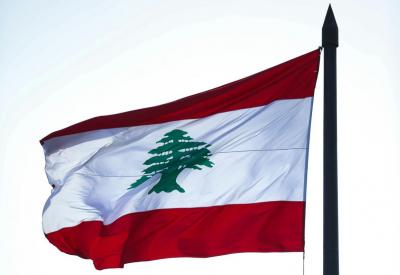
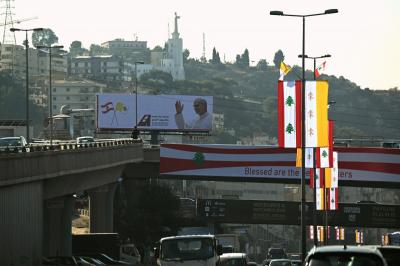

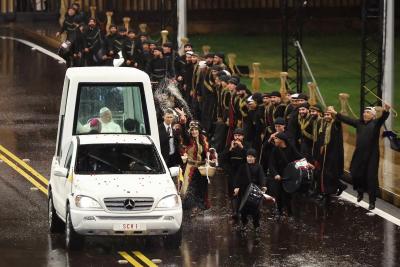
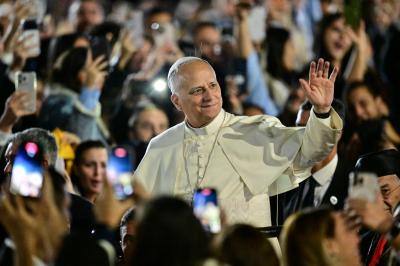
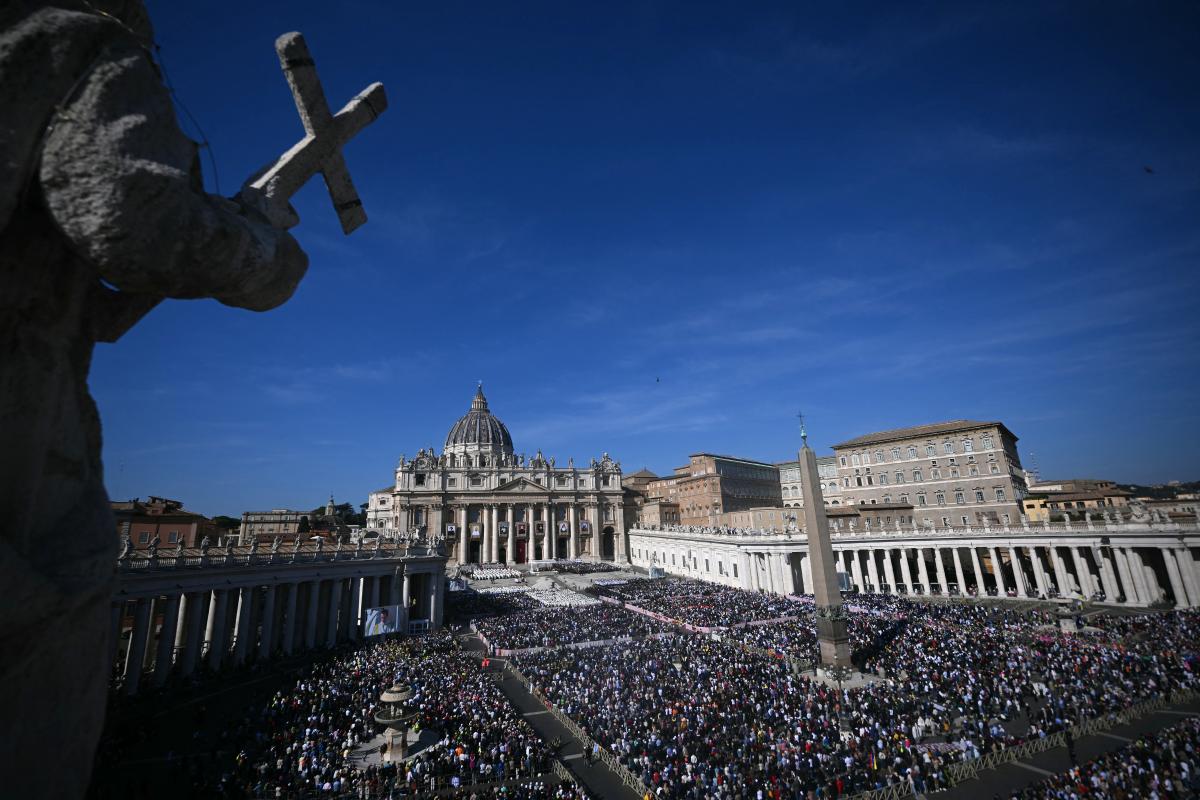




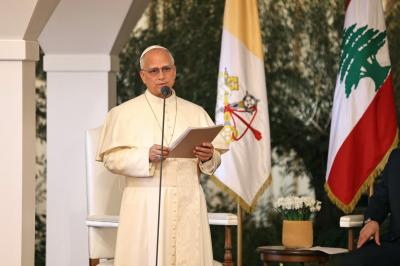
Lebanon stood at the forefront of the global spiritual scene this week, from the very heart of the Vatican. On Sunday, Pope Leo XIV canonized the martyred bishop Ignatius Maloyan during a solemn ceremony in St. Peter’s Square, honoring him as one of seven new saints recognized by the pontiff. This act goes beyond personal tribute—it is a spiritual and historic milestone that restores Lebanon’s place on the world’s ecclesiastical map, reaffirming its enduring role as a bridge between East and West in spreading the Christian faith and promoting human and spiritual values.
Lebanon at the Heart of Holiness
The canonization of Bishop Maloyan crowns a long journey of recognition for his spiritual heroism and martyrdom. Born in Mardin in 1869, he was raised in a devout Christian environment and educated at the Monastery of Our Lady of Bzommar in Lebanon, where he absorbed the deep spirituality of the Armenian Catholic Church. Ordained a priest in 1896, he served in Alexandria and Cairo before being appointed Archbishop of Mardin in 1911.
During the Armenian massacres of 1915, he was arrested along with his parishioners and subjected to torture after refusing to renounce his faith, declaring, “Faith is worth more than life.” He was executed in June of that year, becoming a symbol of courage and steadfastness. Pope John Paul II beatified him in 2001, paving the way for Pope Leo XIV’s recent declaration of his sainthood.
A Global Spiritual Celebration
The Vatican ceremony was not limited to Lebanon’s new saint. It also celebrated seven new saints from across continents and cultures, including the first saint from Papua New Guinea, Venezuela’s “doctor of the poor” José Gregorio Hernández, three nuns who devoted their lives to serving the sick and the poor, and the Italian lawyer Bartolo Longo—who, after a life of loss and darkness, returned to faith and founded the famous Shrine of Pompeii.
Through this diversity, the Catholic Church reaffirms the unity of faith across cultures, showing that sainthood transcends geography and is measured instead by love, sacrifice, and service.
A Symbolic Moment for Lebanon and the Eastern Church
The canonization of Bishop Maloyan carries profound spiritual and national significance. For Lebanon, a country grappling with continuous political and economic crises, this event offers a renewed sense of hope and continuity.
Speaking to An-Nahar, Father Youssef Tannous, a scholar of Eastern Church history, said: “The canonization of Bishop Maloyan is not only a tribute to his person, but also a consecration of Lebanon’s role as a spiritual and cultural beacon in the Middle East. Despite its suffering, Lebanon still radiates holiness and faith, offering the world a living testimony that hope never dies.”
Tannous added that this moment revives the memory of those who defended their faith and humanity against oppression. “The blood spilled more than a century ago,” he said, “has become today a call for unity, reconciliation, and peace at a time when the East needs such symbols more than ever.”
Lebanon: Land of Saints and Mission
This historic event rekindles Lebanon’s image as the “Land of Saints,” a country where religious missions were born and monastic orders spread east and west. From Saint Charbel, Saint Rafqa, and Saint Nehmtallah Al-Hardini to Saint Ignatius Maloyan, Lebanon’s spiritual message continues to transcend borders, carrying faith and hope to the world.
Ultimately, the canonization of Bishop Ignatius Maloyan is more than a Church ceremony—it is a renewed testimony to Lebanon’s profound spiritual identity. In an age overshadowed by conflict and despair, Lebanon once again raises its voice through one of its martyred sons, reminding the world that sainthood remains possible and that faith is stronger than death.
Please post your comments on:
comment@alsafanews.com